
Overview
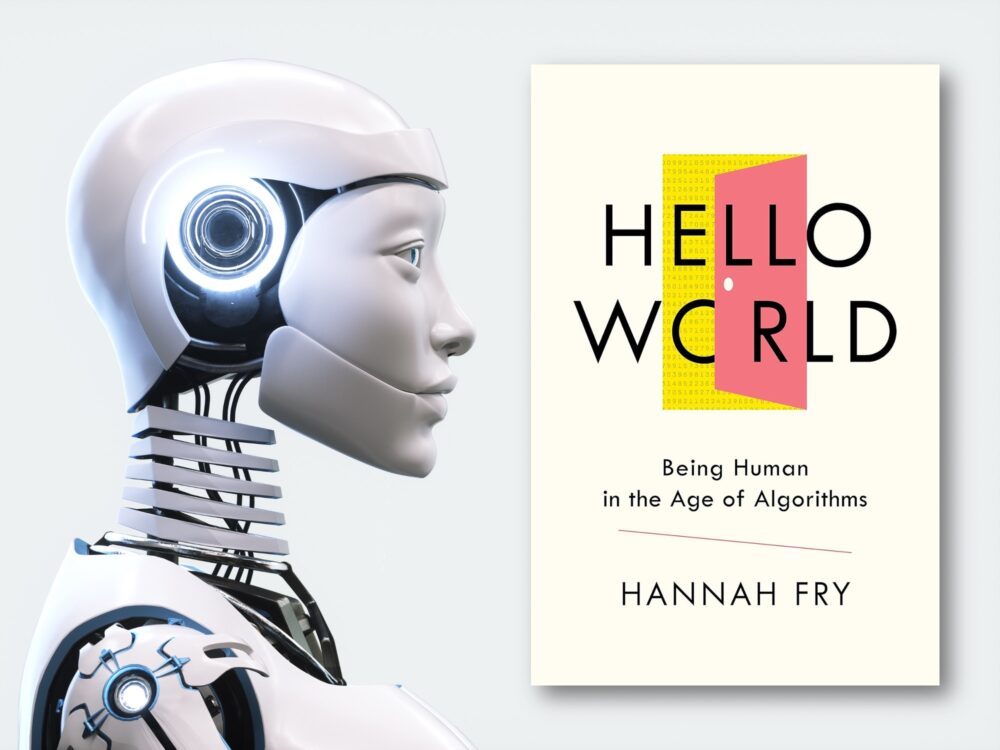
“Hello World: Being Human in the Age of Algorithms” by Hannah Fry explores the profound impact of algorithms on our daily lives. Fry, a mathematician and professor, delves into how these complex mathematical formulas influence everything from healthcare and transportation to crime and art. She highlights both the benefits and potential dangers of relying on algorithms, using clear examples and a touch of humour to make the subject accessible to a wide audience. The book encourages readers to think critically about the role of technology in society and the ethical implications of algorithmic decision-making.
Fry organises her narrative into seven key themes: Power, Data, Justice, Medicine, Cars, Crime, and Art. Each section examines how algorithms are used in these areas, revealing their omnipresence in critical decision-making processes. For instance, she discusses how algorithms evaluate biopsy results for cancer detection and how predictive policing algorithms determine where crimes might occur. Through captivating anecdotes, Fry illustrates both the marvels and the potential pitfalls of advanced technology, urging readers to consider the balance between efficiency and ethical responsibility.
Synopsis
“Hello World: Being Human in the Age of Algorithms” by Hannah Fry is a comprehensive exploration of the role of algorithms in modern society, spanning approximately 320 pages and organised into an introduction and seven insightful chapters.
- Introduction: The introduction highlights the pervasive influence of algorithms in our daily lives. Fry provides an overview of the book’s themes, emphasising the need for a balanced understanding of the benefits and risks associated with algorithmic decision-making.
- Power: In this chapter, Fry examines how algorithms wield power in various sectors, from politics to finance. She discusses the concentration of control in the hands of a few tech companies and the implications for society, questioning the balance of power and accountability.
- Data: This chapter delves into the role of data in the age of algorithms. Fry explores how data is collected, analysed, and used to drive decision-making processes. She highlights the ethical concerns surrounding data privacy and the potential for misuse, urging readers to consider the trade-offs between convenience and personal privacy.
- Justice: In the justice chapter, Fry addresses the use of algorithms in the legal system. She investigates how algorithms are employed in predictive policing and sentencing, discussing the potential for bias and the impact on fairness and justice. Fry raises important questions about the transparency and accountability of algorithmic decisions in the legal sphere.
- Medicine: This chapter focuses on the application of algorithms in healthcare. Fry explores how algorithms assist in diagnosing diseases, personalising treatment plans, and predicting patient outcomes. She discusses the benefits of improved accuracy and efficiency, while also considering the ethical dilemmas related to trust and human oversight in medical decision-making.
- Cars: Fry delves into the world of autonomous vehicles in this chapter. She examines the technology behind self-driving cars, the potential for reducing accidents and traffic congestion, and the challenges of ensuring safety and reliability. Fry also considers the societal implications of widespread adoption of autonomous vehicles, including job displacement and regulatory hurdles.
- Crime: In the crime chapter, Fry investigates the use of algorithms in law enforcement and crime prevention. She discusses predictive policing tools, facial recognition technology, and the potential for algorithmic bias. Fry highlights the need for careful consideration of civil liberties and the ethical implications of relying on algorithms for crime control.
- Art: The final chapter explores the intersection of algorithms and creativity. Fry discusses how algorithms are used in the creation of art, music, and literature, and the ways in which they can enhance human creativity. She also examines the potential for algorithms to challenge our traditional notions of authorship and originality.
Why you should read it?
“Hello World: Being Human in the Age of Algorithms” by Hannah Fry is a must-read for the general public because it demystifies the often complex world of algorithms and their pervasive influence on everyday life.
Fry’s engaging and witty writing style makes the subject approachable and entertaining, while also providing a critical examination of the benefits and risks associated with algorithmic decision-making. Readers gain a deeper understanding of how these invisible systems shape everything from healthcare and justice to transportation and creativity. By highlighting real-world examples and ethical dilemmas, Fry encourages readers to think critically about their own interactions with technology and the broader societal implications.
For the specialised public, including professionals and researchers in fields like data science, computer science, and ethics, Fry’s book offers a comprehensive overview of the state of algorithms in various sectors. Her detailed analysis and thoughtful insights provide valuable context for understanding the current and future impact of algorithmic systems.
The book serves as a springboard for further discussion on the ethical considerations of deploying algorithms and the balance between efficiency and human oversight. Specialists will appreciate Fry’s ability to blend technical detail with broader societal questions, making “Hello World” a significant contribution to the discourse on technology and its role in shaping the modern world.
Critics and review
“Hello World: Being Human in the Age of Algorithms” by Hannah Fry has been widely praised for its engaging and accessible approach to a complex subject. The book has received positive reviews from both critics and readers, with many appreciating Fry’s ability to explain intricate concepts in a relatable manner. It has been shortlisted for several prestigious awards, highlighting its impact and relevance. Critics have lauded the book for its insightful analysis and thought-provoking content, making it a valuable read for anyone interested in the intersection of technology and society.
On book platforms, “Hello World” has garnered favourable ratings. It holds a high rating on Amazon, based on numerous positive reviews, and similarly strong ratings on Goodreads, reflecting its broad appeal and positive reception among readers.
The book’s ability to balance technical detail with broader societal questions has made it a standout in the field of popular science literature. Overall, Fry’s work is highly regarded for shedding light on the implications of algorithmic decision-making in our modern world.
Verdict
“Hello World: Being Human in the Age of Algorithms” by Hannah Fry is an enlightening and engaging exploration of how algorithms influence various aspects of our lives, from healthcare to justice. Fry’s approachable and witty writing style makes complex concepts accessible, while her thoughtful analysis encourages readers to critically evaluate the ethical implications of our increasing reliance on technology. Balancing technical insights with broader societal questions, this book is a compelling read for both general audiences and specialists interested in the intersection of technology and human life. Overall, it’s a thought-provoking examination of the role algorithms play in shaping our world.
About the authors
Hannah Fry is a British mathematician, author, and broadcaster known for her work in applying mathematics to social and urban issues. She is currently the Professor of the Public Understanding of Mathematics at the University of Cambridge and president of the Institute of Mathematics and its Applications.
Fry’s research focuses on patterns of human behaviour, such as dating and crime, and how mathematical models can be applied to these areas. She has also presented several television and radio programs for the BBC, including “The Secret Genius of Modern Life” and “Uncharted with Hannah Fry”.
In addition to “Hello World: Being Human in the Age of Algorithms”, Fry has authored several other popular science books, including “The Mathematics of Love: Patterns, Proofs, and the Search for the Ultimate Equation” and “The Indisputable Existence of Santa Claus: The Mathematics of Christmas”.
She has also co-authored “Rutherford & Fry’s Complete Guide to Absolutely Everything” with Adam Rutherford. Fry is well-regarded for her ability to make complex mathematical concepts accessible and engaging to a broad audience.