
Overview
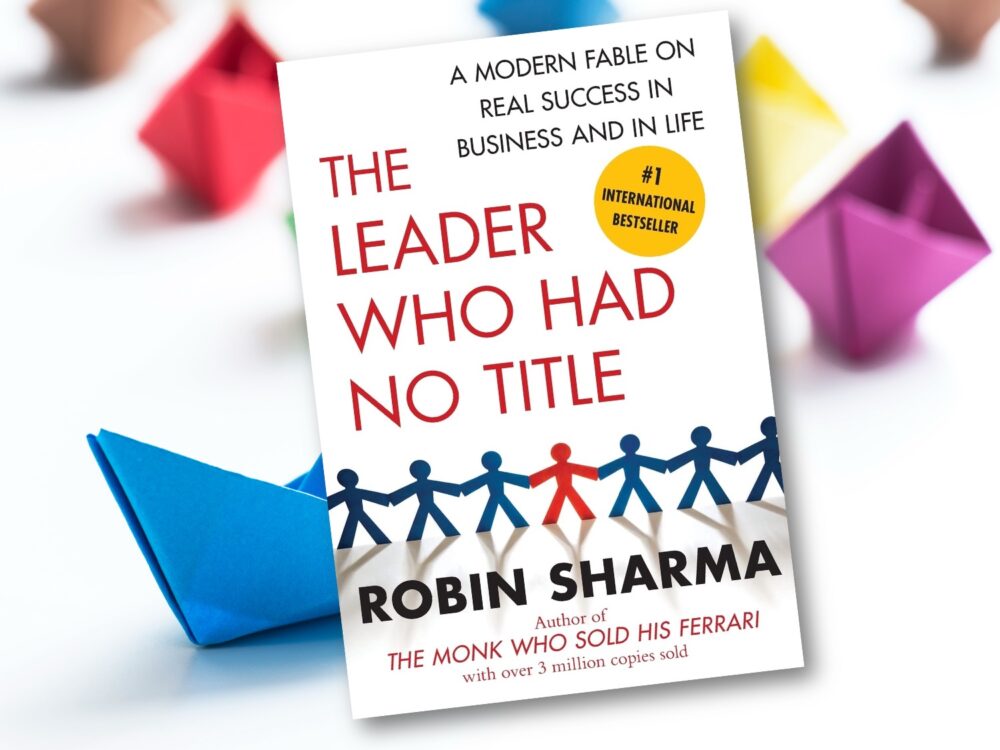
Robin Sharma’s The Leader Who Had No Title: A Modern Fable on Real Success in Business and in Life combines fiction with powerful life lessons to deliver a transformative narrative. Written in the style of a fable, the book introduces Blake Davis, a young man who has lost his sense of purpose and is merely drifting through life while working at a bookstore. One day, he encounters Tommy, an old friend of his late father, who acts as a mentor to Blake. Tommy takes him on a journey to meet four extraordinary individuals, each with unique perspectives on leadership, success, and personal fulfilment.
Through these encounters, Blake learns essential principles that redefine his understanding of leadership, which is not tied to titles or positions but is instead a way of life accessible to everyone. The book weaves practical wisdom into its storytelling, encouraging readers to embrace personal responsibility, inspire others, and live with integrity and passion. Its modern fable format makes it engaging and relatable, appealing to readers who enjoy a blend of self-help insights and compelling storytelling.
Synopsis
The book is comprised of 224 pages and is divided into 12 chapters. It outlines four main principles that guide individuals to embrace leadership regardless of their title or position.
- You don’t need a title to be a leader
This principle challenges the common notion that leadership is limited to those in official positions of power. Instead, it empowers individuals to lead by example in any role. The acronym IMAGE explains how:
- Innovation: Constantly seek to improve your surroundings and leave things better than you found them. Being proactive and striving for excellence is a hallmark of true leadership.
- Mastery: Dedicate yourself to becoming the best in your field. Success requires persistence and continuous learning, exemplified by the “daily 5” tool, which involves daily incremental actions to achieve mastery.
- Authenticity: Stay true to your values and talents. Believe in yourself, even when others doubt you. Authentic leaders inspire trust and respect.
- Guts: Stand firm in your beliefs and have the courage to pursue your vision despite challenges or criticism.
- Ethics: True leadership intertwines excellence with moral integrity. Aligning actions with values builds credibility and lasting impact.
- Turbulent times build great leaders
This principle highlights the importance of resilience and adaptability during challenging periods. The acronym SPARK captures the essential qualities:
- Speak with Candor: Be honest and inspiring in your communication. Share the truth with kindness and a genuine desire to uplift others.
- Prioritise: Simplify your focus by eliminating low-impact tasks and concentrating on activities that yield significant results.
- Adversity breeds Opportunity: Transform setbacks into stepping stones by taking consistent action. Even in tough circumstances, perseverance leads to progress.
- Respond vs React: Stay solution-focused instead of becoming part of the problem. Calm, thoughtful responses to challenges demonstrate true leadership.
- Kudos: Recognise and appreciate the efforts of others. Encouragement fosters positivity and motivation within teams.
- The deeper your relationships, the stronger your leadership
This principle underscores the importance of building meaningful connections. The essence of this principle is captured through the acronym HUMAN:
- Helpfulness: Always go above and beyond expectations to assist others.
- Understanding: Listen more and speak less. Truly hearing others’ ideas and concerns shows empathy and builds trust.
- Mingle: Make an effort to connect and be approachable. Being visible enhances your influence.
- Amuse: Bring a sense of fun and lightness to your work environment. Positivity improves productivity and morale.
- Nurture: Invest in relationships with care and sincerity. Leave every individual better and happier after interacting with you.
- To be a great leader, be a great person first
Personal growth is the cornerstone of effective leadership. The acronym SHINE outlines the key practices:
- See Clearly: Challenge negative self-perceptions and focus on opportunities. Understand that your thoughts shape your reality.
- Health is Wealth: Physical well-being supports mental and emotional balance. Prioritise exercise, nutrition, and self-care.
- Inspiration matters: Find daily sources of inspiration, whether through nature, music, or meaningful experiences.
- Neglect not your family: Strong personal foundations lead to professional success. Value and nurture your relationships at home.
- Elevate your lifestyle: Achieve your aspirations while maintaining a balanced perspective so that your possessions and accomplishments don’t define you.
Together, these principles provide a comprehensive roadmap for becoming a leader in all aspects of life, even without a formal title. The lessons are practical, inspiring, and designed to unlock personal and professional potential.
Why you should read it?
Robin Sharma’s The Leader Who Had No Title is worth reading for both the general public and professionals due to its universal appeal and practical wisdom. For the general audience, the book’s unique narrative format — a fable revolving around the transformation of an ordinary individual — makes it relatable and engaging. Through the journey of Blake Davis, it conveys an empowering message: that leadership is not confined to those in authority, but is instead a quality that everyone can cultivate. The book’s lessons encourage personal responsibility and inspire readers to strive for their best, aligning with the powerful idea that our circumstances don’t define us, but our actions do.
For specialised professionals or those in managerial roles, the book serves as a fresh perspective on modern leadership principles. It emphasises how influence and excellence can flourish without formal titles, which is increasingly embraced by contemporary management practices. The practical frameworks such as the acronyms IMAGE, SPARK, HUMAN, and SHINE offer actionable insights to foster creativity, build resilience, strengthen relationships, and achieve personal and professional growth. By blending a compelling story with transformative strategies, the book equips professionals with tools to lead effectively, even in turbulent times. It’s a resource that bridges self-development and workplace success seamlessly.
Critics and review
The book has been widely appreciated for its engaging narrative and practical insights into leadership. Critics have praised the book’s unique format making it accessible and relatable to a broad audience. Many readers have highlighted its ability to inspire personal growth and professional excellence, with its actionable frameworks. However, some reviewers have noted that the book’s characters lack depth, as the focus is more on delivering leadership lessons than on developing a rich fictional storyline. Overall, the book has been recognised as a valuable resource for individuals seeking to enhance their leadership skills and mindset.
In terms of ratings, the book has received positive feedback on major platforms. On Goodreads, it holds an average rating of 3.95 out of 5, based on over 14,000 ratings. Readers have commended its motivational tone and practical advice, though some have found its self-help style to be somewhat formulaic. On Amazon, the book has a higher rating of 4.6 out of 5, reflecting its popularity among readers who appreciate its blend of storytelling and leadership strategies.
Verdict
Robin Sharma’s The Leader Who Had No Title is an exceptional masterpiece that seamlessly blends the art of storytelling with transformative life lessons. Its modern fable format captivates readers, making profound leadership principles relatable and easy to grasp for all. By empowering individuals to lead regardless of their position, the book inspires self-belief, resilience, and a commitment to personal excellence. Through its practical frameworks it offers actionable strategies to unlock one’s full potential in both personal and professional spheres. Packed with wisdom, motivation, and relevance to contemporary management practices, this book is a must-read for anyone aiming to become a more impactful leader and live with purpose.
About the author
Robin Sharma is a Canadian author, motivational speaker, and leadership expert, best known for his influential self-help books and transformative teachings. Originally trained as a lawyer, Sharma transitioned into writing and public speaking after realising his passion for personal development and leadership. His breakthrough came with The Monk Who Sold His Ferrari, a globally acclaimed fable that combines spirituality and success principles.
Over the years, he has authored numerous bestsellers, including Who Will Cry When You Die?, The Greatness Guide, and The 5 AM Club, each offering actionable insights into achieving personal and professional excellence. Sharma is also the founder of Sharma Leadership International, a training company that works with Fortune 500 companies, elite performers, and organisations like NASA and Harvard Business School to inspire leadership and innovation.
While Robin Sharma has garnered immense respect for his work, some critics have questioned the depth of his teachings, labelling them as overly simplistic or formulaic. Additionally, his emphasis on early-morning routines, as popularised in The 5 AM Club, has sparked debates about its practicality for everyone. Despite these critiques, Sharma remains a celebrated figure in the self-help and leadership domain, with his books translated into multiple languages and his ideas embraced by millions worldwide. His philanthropic efforts, including the Robin Sharma Foundation for Children, further underscore his commitment to making a positive impact.