
Overview
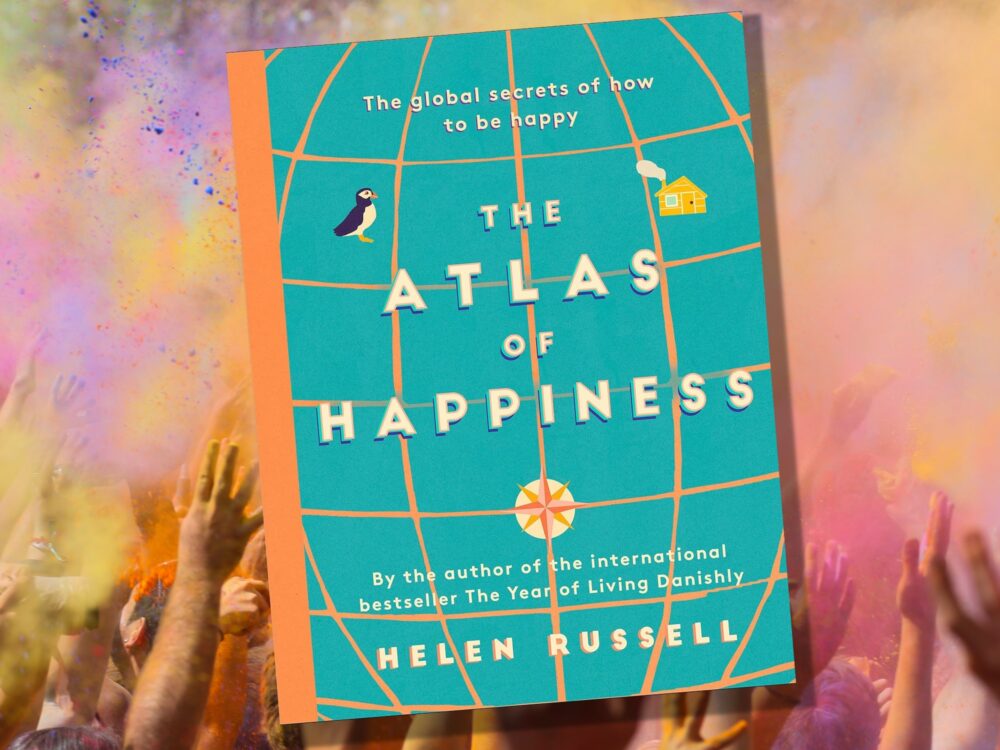
Helen Russell’s The Atlas of Happiness is a vibrant and engaging exploration of how different cultures around the world define and pursue happiness. Drawing on her journalistic flair and personal experiences, Russell takes readers on a global journey through 30 countries, each offering a unique concept or philosophy that contributes to a happier life. The book is written in an accessible, witty style that makes complex cultural ideas feel relatable and inspiring.
Rather than prescribing a one-size-fits-all solution, Russell celebrates the diversity of emotional well-being. From the laid-back “Pura Vida” of Costa Rica to the introspective “Wabi-sabi” of Japan, she shows that happiness is not just a destination but a cultural lens. The book is both a travelogue and a self-help guide, encouraging readers to reflect on their own values and perhaps borrow a few global tricks to brighten their daily lives.
Synopsis
The book spans 288 pages and is divided into 30 chapters, each dedicated to a different country’s unique approach to happiness.
- Australia – Fair Go: This concept revolves around egalitarianism and giving everyone a fair chance. Australians find happiness in fairness, mateship, and a laid-back attitude that values equality and opportunity.
- Bhutan – Gross National Happiness: Bhutan measures success not by GDP but by GNH. Happiness here is a national policy, focusing on sustainable development, cultural preservation, and spiritual well-being.
- Brazil – Saudade: A bittersweet emotion, saudade captures the joy and sorrow of longing. Brazilians embrace this feeling as part of a rich emotional life, finding beauty in nostalgia and memory.
- Canada – Joie de vivre: Canadians, especially in Quebec, celebrate life with enthusiasm and warmth. This joy is expressed through community, festivals, and a love for nature and togetherness.
- China – Xingfu: More than fleeting happiness, xingfu is about a meaningful life. It includes stability, family harmony, and a sense of purpose—happiness rooted in long-term fulfilment.
- Costa Rica – Pura Vida: Literally “pure life,” this phrase embodies a relaxed, grateful approach to living. Costa Ricans find joy in simplicity, nature, and strong social bonds.
- Denmark – Arbejdsglæde: The Danes believe in happiness at work. With flexible hours, trust-based management, and a healthy work-life balance, they make the office a place of joy.
- England – Jolly: A cheerful disposition and dry humour define English happiness. It’s about keeping calm, carrying on, and finding joy in tea, banter, and the occasional pub visit.
- Finland – Kalsarikännit: This is the art of drinking at home in your underwear. It’s about comfort, solitude, and self-care, embracing introversion as a valid path to contentment.
- Germany – Gemütlichkeit: Cosiness, warmth, and good company. Germans find happiness in comfort, tradition, and shared experiences, often around food and drink.
- Greece – Meraki: Putting your soul into what you do. Greeks find joy in creativity, passion, and wholehearted living, whether cooking, dancing, or working.
- Hawaii – Aloha: More than a greeting, aloha is a way of life. It promotes love, peace, and compassion, fostering happiness through connection and respect.
- Iceland – Þetta reddast: “It will all work out.” Icelanders embrace resilience and optimism, trusting that things will sort themselves out, even in harsh conditions.
- India – Jugaad: A clever fix or workaround. Indians find happiness in resourcefulness and adaptability, turning challenges into opportunities with creativity.
- Ireland – Craic: Fun, entertainment, and lively conversation. The Irish value social connection and humour, finding joy in shared stories and good company.
- Italy – Dolce far niente: The sweetness of doing nothing. Italians celebrate leisure and pleasure, finding happiness in slowing down and savouring life.
- Japan – Wabi-sabi: Beauty in imperfection and transience. Japanese happiness is quiet, reflective, and deeply philosophical, embracing the fleeting nature of life.
- New Zealand – Türangawaewae & Haka: A sense of belonging and cultural pride. Kiwis find happiness in identity, land, and community, expressed through powerful traditions.
- Norway – Friluftsliv: “Free air life.” Norwegians find joy in nature, outdoor activities, and solitude, believing that fresh air and wilderness nourish the soul.
- Russia – Azart: The thrill of the game. Russians embrace risk and excitement, finding happiness in passion, competition, and boldness.
- South Africa – Ubuntu: “I am because we are.” Happiness here is communal, rooted in empathy, compassion, and shared humanity.
- Spain – Tapeo & Sobremesa: Tapas and lingering after meals. Spaniards find joy in food, conversation, and slowing down to enjoy life’s pleasures.
- Sweden – Smultronställe & Lagom: A “wild strawberry place” and “just enough.” Swedes balance personal retreats with moderation, finding happiness in simplicity and harmony.
- Switzerland – Federerism: Inspired by Roger Federer’s grace and balance. Swiss happiness is about excellence, calm, and understated charm.
- Syria – Tarab: Musical ecstasy. Syrians find joy in emotional depth and artistic expression, especially through music that stirs the soul.
- Thailand – Mai pen rai: “Never mind.” Thai happiness is rooted in acceptance and letting go, embracing a carefree attitude toward life’s troubles.
- The Netherlands – Gezellig: Cosy togetherness. Dutch happiness is found in warm, intimate settings with friends and family.
- Turkey – Keyif: Quiet pleasure. Turks enjoy moments of peace, reflection, and indulgence, often with coffee or tea.
- USA – Homeyness: Comfort and familiarity. Americans find happiness in personal space, warmth, and the feeling of being “at home.”
- Wales – Hwyl: Passionate enthusiasm. Welsh happiness is emotional and spirited, often expressed through music, poetry, and community.
Why You Should Read It
This book is a delightful read for anyone curious about how happiness is understood across cultures. It’s not just a travel book, it’s a cultural map of emotional wisdom. For the general reader, it offers bite-sized insights into global philosophies that can be applied to everyday life. Whether you’re looking to boost your mood or simply broaden your perspective, Russell’s writing is both entertaining and enlightening.
For specialists in psychology, sociology, or cultural studies, The Atlas of Happiness provides a rich tapestry of qualitative data and cultural narratives. It’s a useful resource for understanding emotional diversity and the socio-cultural factors that shape well-being. Plus, it’s a great conversation starter for anyone working in international environments or cross-cultural communication.
Critics and Review
The book has received generally positive reviews. On Goodreads, it holds a rating of close to 4 out of 5, based on over 2,100 ratings and 230 reviews. Readers praise its engaging style, colourful illustrations, and the breadth of cultural coverage. Some critics note that while the book is charming, certain chapters feel a bit surface-level. On Amazon, the book is rated 4 out of 5 stars, with readers appreciating its uplifting tone and global perspective. It’s often recommended as a gift book or a winter read to lift the spirits.
Verdict
The Atlas of Happiness is a warm, witty, and insightful book that invites readers to explore the many faces of joy around the world. While not an academic deep dive, it’s a beautifully crafted celebration of cultural wisdom and emotional richness. A perfect read for anyone seeking inspiration, comfort, or a fresh perspective on what it means to live well.
About the Author
Helen Russell is a British journalist, author and speaker. Formerly the editor of marieclaire.co.uk, she became known for her bestselling debut The Year of Living Danishly, which explores why Denmark consistently ranks among the world’s happiest countries. Her work focuses on cultural approaches to emotions, and she writes for major publications including The Guardian, The Times, National Geographic, and The Wall Street Journal.
Russell has published several books, including Leap Year, Gone Viking, How to Be Sad, and How to Raise a Viking. She also hosts a podcast titled How to Be Sad, where she interviews guests about emotional resilience. Her TEDx talk on global happiness has been widely viewed. There are no major controversies surrounding her, and she is generally well-regarded for her thoughtful, humorous, and accessible writing style.