
Overview
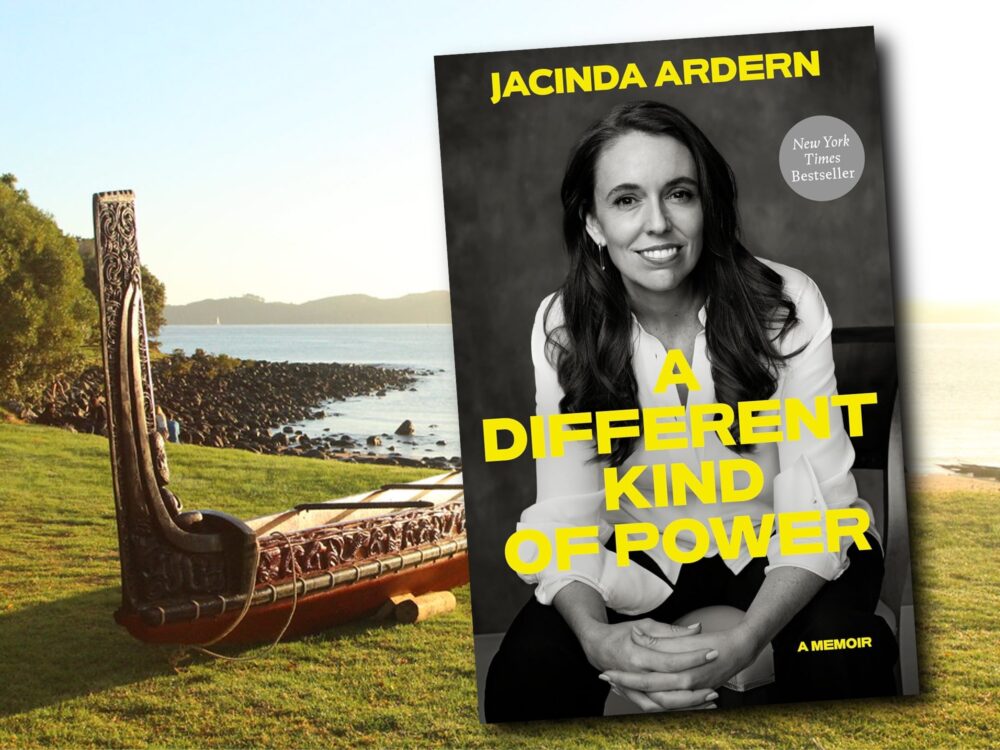
A Different Kind of Power is a deeply personal memoir by the former Prime Minister of New Zealand, Jacinda Ardern. It traces her journey from a modest childhood in small-town New Zealand to becoming a global icon of empathetic leadership. The narrative moves beyond the typical political playbook, focusing instead on how vulnerability, self-doubt, and kindness can be harnessed as genuine political strengths.
The book provides an intimate look at the major crises that defined her premiership, such as the Christchurch mosque attacks and the COVID-19 pandemic, while simultaneously detailing her private life. Ardern reflects on the balancing act of being a world leader and a first-time mother, ultimately offering a candid explanation for her decision to step away from power.
Synopsis
The book consists of a Prologue, 30 untitled chapters, and an Epilogue, spanning a total of 352 pages.
The memoir opens with a dramatic Prologue set in 2017, where Ardern famously describes sitting on a toilet clutching a pregnancy test while simultaneously negotiating a coalition government. Chapters 1 to 7 detail her early years as a policeman’s daughter in Murupara and Morrinsville, highlighting her childhood anxieties and early observations of social inequality that allegedly turned her political by age six. Chapters 8 to 15 trace her university years, her burgeoning political career as an MP, and her complex relationship with the Mormon church, which she eventually leaves due to its stance on LGBTQ+ rights. Moving into Chapters 16 to 21, the focus shifts to her unexpected rise as Leader of the Labour Party, the “Jacindamania” election, and her first months as Prime Minister while navigating first-time motherhood.
Chapters 22 to 26 provide a harrowing, behind-the-scenes look at her response to the 2019 Christchurch terror attacks, her swift push for gun reform, and the personal guilt she felt balancing state duties with her daughter’s needs. The final section, Chapters 27 to 30, and the Epilogue cover the relentless challenges of the COVID-19 pandemic, the rise of domestic disinformation, and her 2023 decision to resign. These concluding chapters reveal for the first time that a health scare in late 2022, a suspected but ultimately non-cancerous breast lump, played a significant role in her realisation that she no longer had “enough in the tank” to continue.
Why you should read it?
For the general public, this book is an inspiring read that proves you do not need to be a “tough” or “thick-skinned” person to succeed in high-pressure roles. Ardern’s honesty about her “imposter syndrome” and self-doubt makes the world of high-stakes politics feel remarkably accessible and human. It serves as a reminder that personal values like compassion don’t have to be checked at the door when entering a professional environment.
For the specialised public, such as political scientists or business leaders, the memoir acts as a “leadership manifesto”. It provides a case study in crisis management and the effectiveness of empathy-based communication during times of national trauma. Even for those critical of her specific policies, the book offers valuable insight into the logistical and emotional complexities of leading a modern democracy through unprecedented global shifts.
Critics and review
The book has been widely praised for its intimacy and wit. Reviews from major outlets like The Guardian highlighted its “compulsively readable” style and its refreshing departure from the dry, self-congratulatory tone of most political memoirs. However, some critics have been more pointed, noting that the book focuses heavily on personal feelings and global “optics” while skimming over more difficult domestic issues like the housing crisis.
On book platforms, the response has been overwhelmingly positive. It maintains a strong 4.6 out of 5 stars on Amazon and a similarly high rating on Goodreads. While most readers are moved by her “rawness”, a minority of reviewers felt the early chapters on her upbringing were somewhat fragmented compared to the more analytical second half.
Verdict
A Different Kind of Power is a rare account of leadership that manages to be both a political record and a deeply human story; it may not satisfy those looking for a rigorous policy debate, but it is an essential guide for anyone who believes that kindness and power can coexist.
About the authors
Jacinda Ardern is the primary author of this memoir, having served as the 40th Prime Minister of New Zealand from 2017 to 2023. Since leaving office, she has remained active on the global stage, taking on roles such as a Fellow at Harvard University and a special envoy for the Christchurch Call, an initiative aimed at eliminating terrorist and violent extremist content online. Her previous literary contributions include various speeches and policy papers, but this is her first full-length book.
While she is widely celebrated as a global icon of progressivism, Ardern has not been without controversy. Some critics in New Zealand have accused her of being “all style and no substance”, arguing that her international celebrity outpaced her domestic achievements in areas like poverty reduction and housing. Additionally, her government’s strict “zero-COVID” strategy, while initially successful at saving lives, eventually led to significant domestic protests and public fatigue, which some analysts believe contributed to her decision to resign.