

Overview
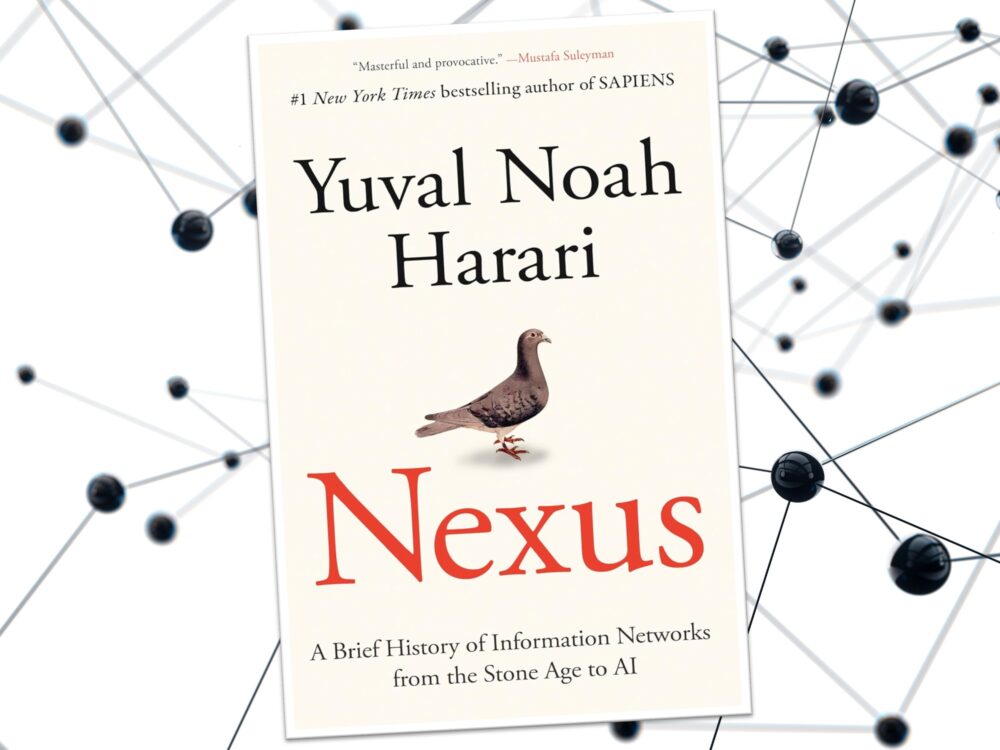
Yuval Noah Harari’s “Nexus: A Brief History of Information Networks from the Stone Age to AI” explores the profound impact of information networks on human history. Harari delves into how societies have utilised information to shape civilisations, influence public opinion, and maintain power. He examines the evolution of these networks, from ancient myths and religious texts to modern-day artificial intelligence, highlighting their role in connecting people and driving progress. However, Harari also warns of the existential threats posed by today’s rapid advancements in AI, emphasising the importance of understanding the relationship between information, truth, and power.
The book provides a historical lens to understand the promises and perils of the current information revolution. Harari discusses how narratives, whether religious, political, or cultural, have been used to organise societies and promote cooperation. He contrasts democratic information networks, which thrive on debate and correction, with authoritarian ones that centralise information and resist change. Through this analysis, Harari urges readers to consider the urgent choices humanity faces as non-human intelligence increasingly shapes our world.
Synopsis
Yuval Noah Harari’s *Nexus* consists of 11 chapters spread across three parts, offering a comprehensive exploration of information networks and their impact on human history and society. Below is a chapter-by-chapter summary:
Part I: Human Networks
Chapter 1 – What Is Information?
Harari introduces the concept of information as the glue that binds human networks together. He explains how information has been used to connect people, shape societies, and influence reality, emphasising its dual nature as both a tool for progress and a source of conflict.
Chapter 2 – Stories: Unlimited Connections
This chapter explores the power of storytelling in creating shared beliefs and organising societies. Harari discusses how myths, religions, and cultural narratives have historically united people, enabling cooperation on a massive scale.
Chapter 3 – Documents: The Bite of the Paper Tigers
Harari examines the role of written documents in solidifying human networks. He highlights how bureaucratic systems and legal frameworks rely on documentation to maintain order and enforce rules.
Chapter 4 – Errors: The Fantasy of Infallibility
Here, Harari delves into the dangers of assuming infallibility in information networks. He discusses how errors and biases can propagate through systems, leading to flawed decisions and outcomes.
Chapter 5 – Decisions: A Brief History of Democracy and Totalitarianism
This chapter contrasts democratic and totalitarian information networks, analysing their strengths and weaknesses. Harari traces the historical evolution of these systems and their impact on decision-making.
Part II: The Inorganic Network
Chapter 6 – The New Members: How Computers Are Different from Printing Presses
Harari explores the transformative impact of computers on information networks, comparing them to earlier technologies like the printing press. He highlights the unique capabilities of computers in processing and disseminating information.
Chapter 7 – Relentless: The Network Is Always On
This chapter discusses the constant nature of modern information networks, which operate 24/7. Harari examines the implications of this relentless connectivity for individuals and societies.
Chapter 8 – Fallible: The Network Is Often Wrong
Harari addresses the fallibility of digital networks, emphasising the risks of misinformation and the challenges of ensuring accuracy in an age of rapid information exchange.
Part III: Computer Politics
Chapter 9 – Democracies: Can We Still Hold a Conversation?
Harari questions the ability of democracies to function effectively in the digital age. He explores how online platforms and algorithms influence public discourse and political decision-making.
Chapter 10 – Totalitarianism: All Power to the Algorithms?
This chapter examines the potential for algorithms to centralise power and create digital dictatorships. Harari warns of the dangers of unchecked algorithmic control in governance.
Chapter 11 – The Silicon Curtain: Global Empire or Global Split?
Harari concludes by discussing the geopolitical implications of information networks, including the possibility of a global digital empire or a fragmented world divided by technological barriers.
Why you should read it?
Yuval Noah Harari’s *Nexus* is a compelling read for the general public because it bridges the gap between history, technology, and everyday life. It offers accessible insights into how information networks have shaped human societies, from ancient storytelling to modern artificial intelligence. By explaining complex concepts in an engaging and relatable way, Harari invites readers to reflect on how information influences their lives, decisions, and the world around them. The book is not just a historical analysis but a call to action, urging people to think critically about the promises and risks of our increasingly interconnected world.
For specialised audiences such as historians, technologists, and policymakers, *Nexus* provides a profound and thought-provoking exploration of the dynamics between information, power, and progress. Harari’s interdisciplinary approach makes the book an invaluable resource for understanding the historical precedents and future implications of technological change. It addresses pivotal questions about governance, public discourse, and global geopolitics in the digital age, offering frameworks for addressing the challenges posed by rapid advancements in AI and information systems. Specialists will appreciate the depth of research and nuanced analysis that underpin Harari’s arguments, making the book an essential read for those shaping the future of information networks.
Critics and review
Yuval Noah Harari’s “Nexus” has been widely praised for its insightful exploration of information networks and their impact on human history and society. On Goodreads, the book holds an impressive rating of 4.18, with over 26,000 ratings and 3,000 reviews. Readers have commended Harari’s ability to weave historical analysis with contemporary issues, making complex topics accessible and engaging. Similarly, on Amazon, the book has received high ratings, with many reviewers highlighting its relevance in the age of artificial intelligence and misinformation. Critics have lauded Harari’s interdisciplinary approach, noting that the book is both thought-provoking and timely, addressing urgent questions about the future of information networks.
The book’s importance lies in its ability to bridge the past and the future, offering readers a comprehensive understanding of how information shapes societies and decisions. Harari’s narrative is rich with historical examples and philosophical insights, making it a valuable resource for anyone interested in history, technology, or politics. The book challenges readers to think critically about the role of information in their lives and the choices humanity faces in the digital age. Its positive reception underscores its significance as a must-read for those seeking to understand the complexities of our interconnected world.
Verdict
“Nexus” by Yuval Noah Harari is a profoundly insightful and thought-provoking work that challenges readers to grapple with the complexities of information networks throughout history and into the digital age. While it is not a light read, its intellectual depth and interdisciplinary approach make it an essential book for anyone seeking to understand the intricate relationships between information, power, and societal evolution. Harari masterfully bridges historical narratives with the pressing issues of artificial intelligence and misinformation, encouraging deep reflection on the choices humanity faces in this unprecedented era. Its richness and relevance ensure that it leaves a lasting impression, marking it as a cornerstone for understanding our interconnected world.
About the author
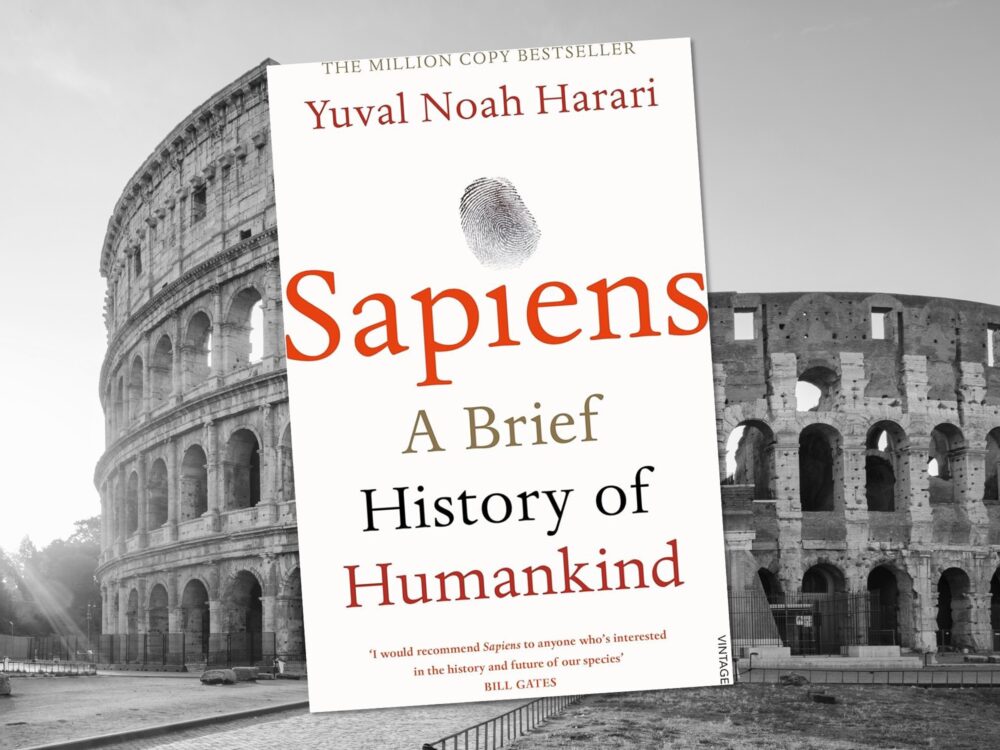
Yuval Noah Harari is an Israeli historian, philosopher, and public intellectual, renowned for his ability to synthesise complex ideas into accessible narratives. He is a professor at the Hebrew University of Jerusalem, specialising in world history and macrohistorical processes. Harari gained international acclaim with his bestselling books, including “Sapiens: A Brief History of Humankind”, which explores the evolution of human societies, “Homo Deus: A Brief History of Tomorrow”, which examines the future of humanity in the age of biotechnology and artificial intelligence, and “21 Lessons for the 21st Century”, which addresses contemporary global challenges. His works have been translated into dozens of languages, making him one of the most influential thinkers of our time. Beyond writing, Harari is an advocate for veganism, practices Vipassana meditation, and frequently engages with global leaders and organisations to discuss the implications of technological and societal changes.


Leave a Reply